What Is Electrical Pressboard Used for in Transformers? Complete Application Guide
Introduction
Electrical pressboard is one of the most important solid insulation materials used in oil-immersed transformers. Although transformer oil provides liquid insulation and cooling, the overall reliability of a transformer depends heavily on its solid insulation system. Among these materials, electrical pressboard plays a critical role in providing electrical insulation, mechanical support, and efficient oil circulation.
From power transformers and distribution transformers to instrument transformers and reactors, transformer manufacturers rely on high-quality transformer pressboard to ensure long-term operational safety and performance.
What Is Electrical Pressboard?
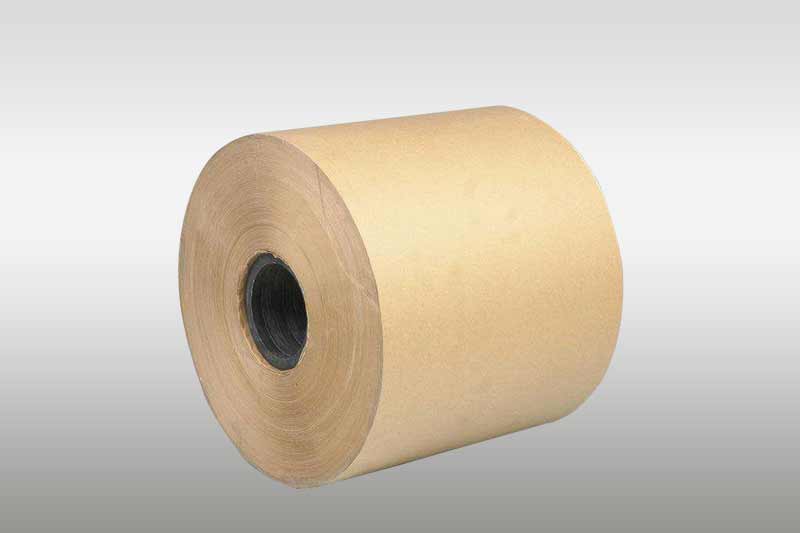
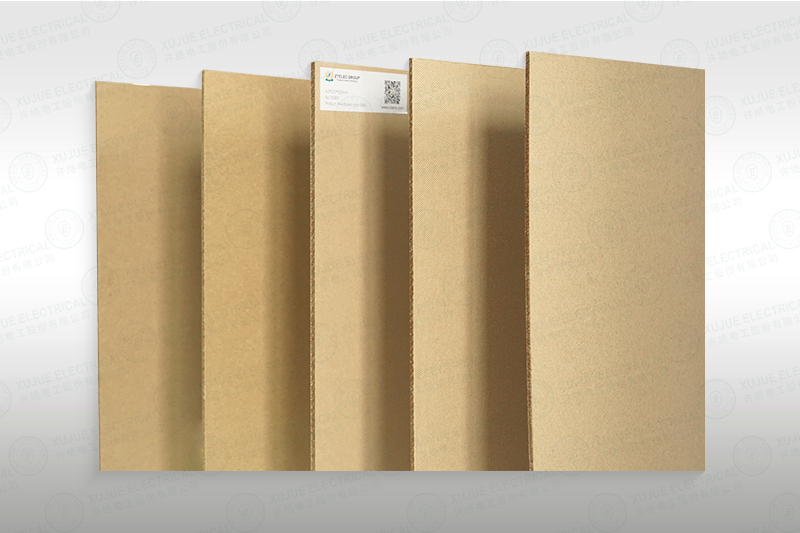
Electrical pressboard is a rigid insulation material manufactured from 100% high-purity cellulose fibers. Through specialized pressing and drying processes, the material achieves excellent dielectric strength, high mechanical strength, and outstanding compatibility with transformer insulating oil.
Unlike ordinary paper, transformer pressboard is specifically engineered for electrical insulation systems operating under high voltage and high mechanical stress.
Key characteristics include:
• Excellent electrical insulation properties
• High compressive and mechanical strength
• Excellent oil absorption
• Low moisture content
• High dimensional stability
• Long service life in transformer oil
Because it contains no conductive materials, electrical pressboard maintains excellent insulation performance throughout the transformer's operating life.
Why Is Electrical Pressboard Important in Transformers?
A transformer experiences electrical, thermal, and mechanical stresses every day. During normal operation and short-circuit conditions, insulation materials must withstand high voltages while supporting heavy winding structures.
Electrical pressboard performs several critical functions simultaneously.
1. Providing Electrical Insulation
The primary function of electrical pressboard is to electrically isolate energized components.
It prevents electrical breakdown between:
• High-voltage and low-voltage windings
• Windings and transformer core
• Coil sections
• Conductors with different voltage levels
Its high dielectric strength significantly reduces the risk of partial discharge and insulation failure.
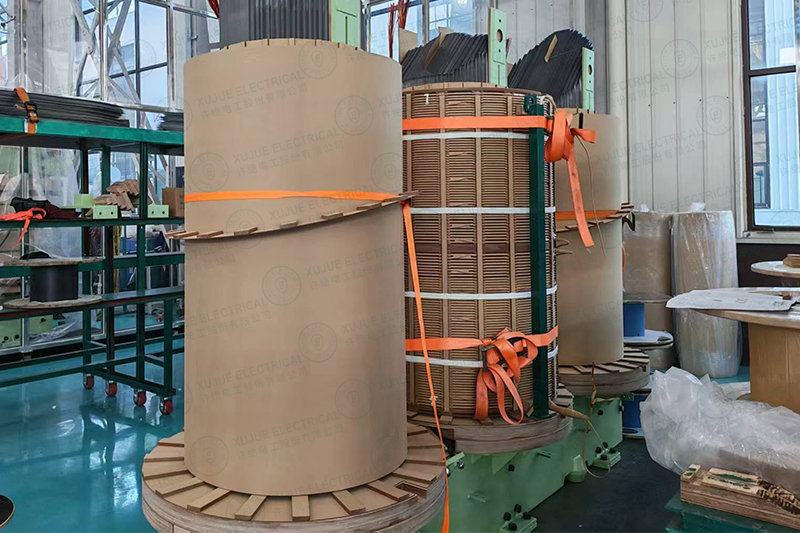
2. Providing Mechanical Support
Transformer windings generate tremendous electromagnetic forces during operation.
Pressboard components help:
• Maintain winding alignment
• Resist short-circuit forces
• Prevent winding deformation
• Improve structural stability
Without adequate mechanical support, transformer coils may shift, causing insulation damage or catastrophic failure.
3. Improving Oil Circulation
Cooling is essential for transformer performance.
Electrical pressboard is widely used to create oil ducts that allow transformer oil to circulate freely around windings.
Efficient oil circulation helps:
• Remove heat
• Improve cooling efficiency
• Reduce hot spots
• Extend insulation life
4. Extending Transformer Service Life
High-quality transformer pressboard resists aging under continuous exposure to transformer oil and operating temperatures.
A well-designed insulation sestem helps transformer achieve a longer service life.
Common Applications of Electrical Pressboard in Transformers
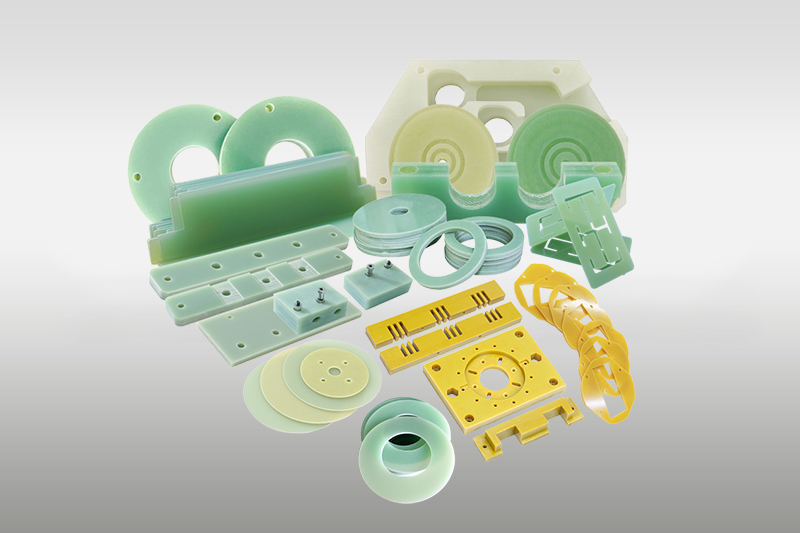
Electrical pressboard is not a single component but a versatile material that can be machined into many insulation parts.
The table below summarizes its most common applications.
|
Pressboard Component |
Main Function |
|
Barrier Board |
Main electrical insulation between windings |
|
Spacer |
Creates insulation distance and oil channels |
|
Oil Duct Strip |
Guides transformer oil flow |
|
Cylinder |
Coil insulation and mechanical support |
|
Angle Ring |
Supports winding ends |
|
End Ring |
Reinforces winding structures |
|
Washer |
Electrical separation between components |
|
Support Blocks |
Structural positioning |
|
Insulation Plates |
Electrical isolation |
|
Custom CNC Parts |
Designed according to customer drawings |
These components work together to form the transformer's complete solid insulation system.
Benefits of Electrical Pressboard
Excellent Electrical Insulation
Electrical pressboard offers high dielectric strength, making it suitable for medium- and high-voltage transformers.
It effectively prevents electrical discharge while maintaining insulation integrity over many years.
High Mechanical Strength
Unlike ordinary insulation paper, pressboard can withstand significant compressive forces.
Its rigidity helps maintain transformer structure during transportation, installation, and operation.
Excellent Compatibility with Transformer Oil
Because it is manufactured from pure cellulose fibers, electrical pressboard is fully compatible with mineral transformer oil and many natural ester insulating fluids.
It absorbs oil uniformly, improving dielectric performance after impregnation.
Easy CNC Machining
Modern transformer manufacturers require customized insulation components.
Electrical pressboard can be precisely machined into:
• Washers
• Rings
• Cylinders
• Barrier boards
• Oil duct strips
• Complex insulation parts
This flexibility allows manufacturers to meet various transformer designs.
Different Types of Transformer Pressboard
Different transformer designs require different grades of pressboard.
Standard Pressboard
General-purpose insulation used in most distribution transformers.
High-Density Pressboard
Provides improved mechanical strength for large power transformers.
Suitable for:
• Extra-high-voltage transformers
• Generator transformers
• Large industrial transformers
• CNC Machined Pressboard Components
• Customized according to engineering drawings for:
• OEM transformer manufacturers
• Repair projects
• Special transformer designs
Conclusion
Electrical pressboard is an essential material in modern oil-immersed transformers. It provides reliable electrical insulation, structural support, and efficient oil circulation, helping transformers operate safely and efficiently for decades.