Diamond Dotted Paper vs Kraft Insulation Paper: Which Is Better for Transformer Insulation?
In transformer manufacturing, insulation materials play a critical role in dielectric performance, thermal stability, and mechanical strength. Among the most commonly used cellulose-based insulation materials, Diamond Dotted Paper (DDP) and Kraft Insulation Paper are widely applied in transformer winding systems. Although both are electrical insulation papers, their functions and performance characteristics are significantly different.
What Is Diamond Dotted Paper (DDP)?
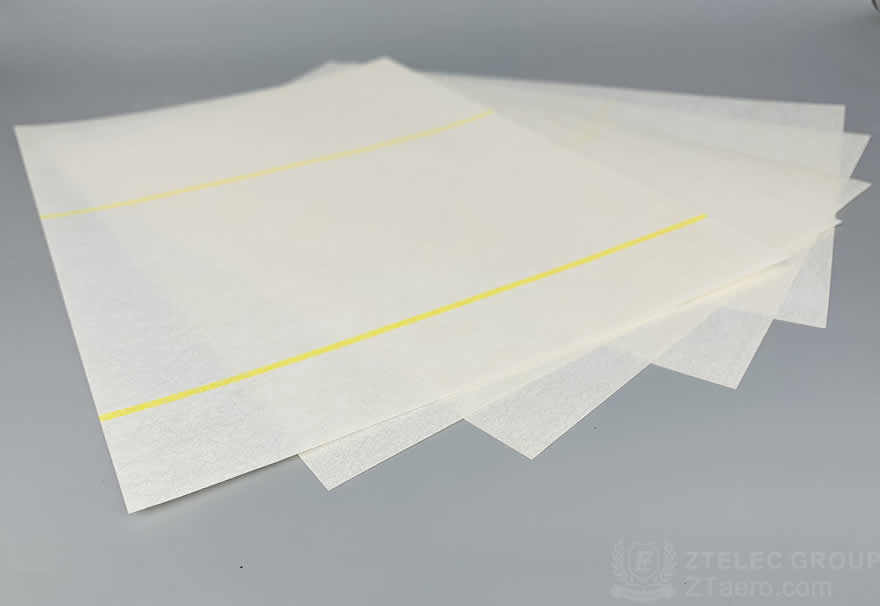
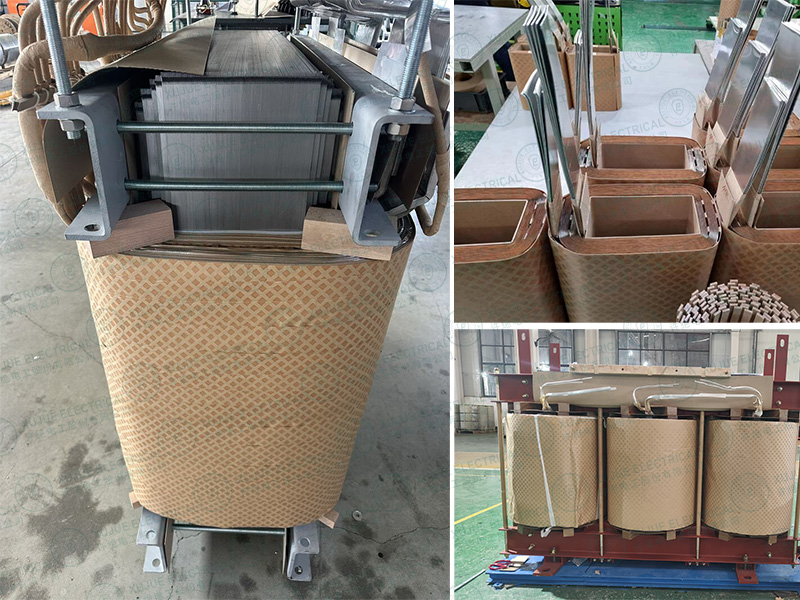
Diamond Dotted Paper is an advanced transformer insulation material coated with heat-activated epoxy resin in a diamond pattern. During transformer coil curing, the epoxy softens and bonds adjacent winding layers together, creating a rigid and stable structure.
Key advantages of DDP include:
• Excellent winding bonding strength
• Improved short-circuit resistance
• Better mechanical stability
• Reduced coil displacement and vibration
• Enhanced thermal and dielectric performance
DDP is commonly used in:
• Oil-immersed transformers
• High-voltage transformers
• Large-capacity transformers
• High-load transformer systems
Because of its bonding capability, DDP helps improve transformer reliability and service life.
What Is Kraft Insulation Paper?
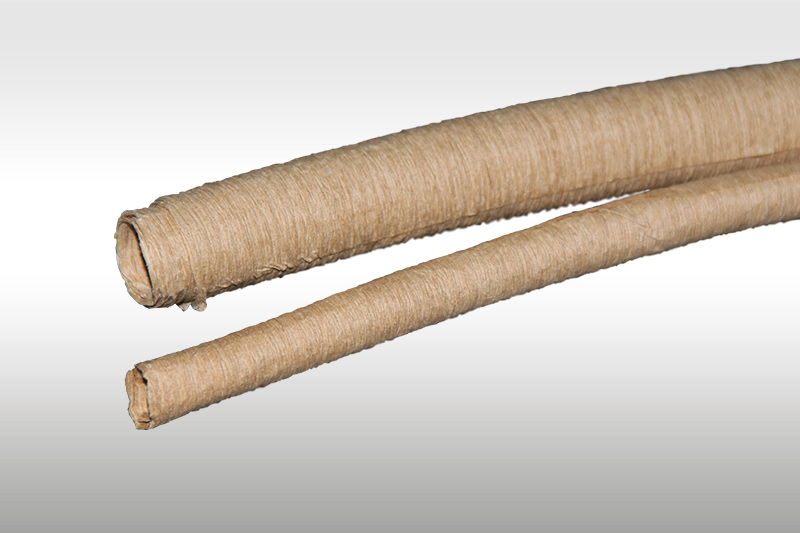
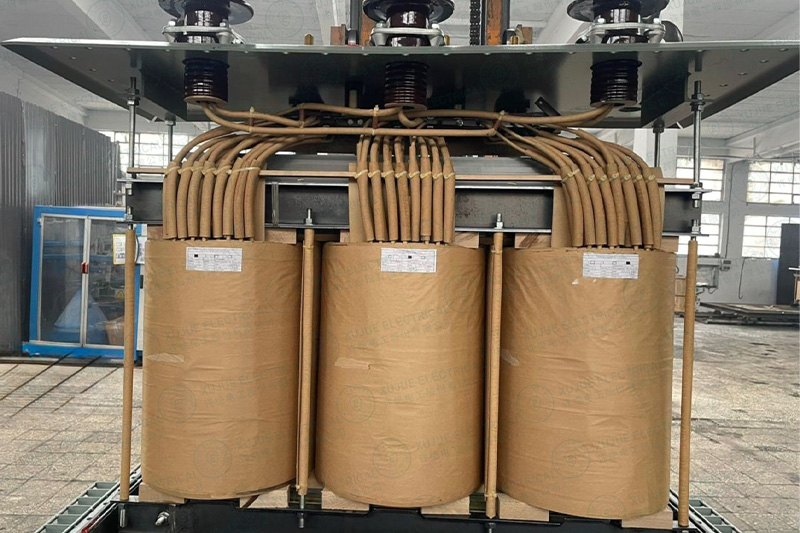
Kraft Insulation Paper is a traditional cellulose-based dielectric insulation material widely used in transformers. Unlike DDP, Kraft paper does not contain epoxy resin or adhesive properties. Its main function is to provide electrical insulation between conductive layers.
Key characteristics of Kraft paper include:
• Cost-effective insulation solution
• Good basic dielectric performance
• Easy processing and manufacturing
• Class A thermal rating (105°C)
Kraft paper is commonly used in:
• Standard distribution transformers
• Cable insulation
• Layer insulation
• Low-stress electrical applications
DDP vs Kraft Paper: Key Differences
1. Bonding Strength
The biggest advantage of DDP is its structural bonding capability. After curing, transformer windings become a unified mechanical structure with higher rigidity and better resistance to electromagnetic stress during short circuits.
Kraft paper, however, provides no bonding function. Winding stability depends entirely on mechanical clamping, making coil displacement more likely under stress.
2. Thermal Resistance
DDP offers better thermal stability because the cured epoxy resin improves dimensional strength and resistance to thermal cycling.
Kraft paper relies only on cellulose fibers, which may age faster under high temperatures and long-term operation.
3. Dielectric Performance
DDP helps reduce internal air gaps between winding layers, lowering the risk of partial discharge and improving dielectric consistency.
Kraft paper provides reliable basic insulation but lacks the structural support needed for demanding transformer environments.
Which Insulation Material Should You Choose?
Choose Diamond Dotted Paper (DDP) if you need:
• High transformer reliability
• Better short-circuit resistance
• Long service life
• High-voltage or high-load performance
Choose Kraft Insulation Paper if:
• Cost is the main concern
• The transformer operates under low stress
• Only standard dielectric insulation is required
Final Conclusion
When comparing Diamond Dotted Paper vs Kraft Insulation Paper, the difference comes down to performance requirements. Kraft paper is a cost-effective solution for standard transformer insulation, while DDP provides both dielectric insulation and structural reinforcement for high-performance transformer systems.
As modern transformers demand greater reliability and longer lifespan, Diamond Dotted Paper is becoming an increasingly important insulation material in the power industry.