Introduction: Why Choosing Between G10 and FR4 Impacts Your Real Cost
When sourcing insulation materials for electrical or mechanical applications, one of the most common questions buyers face is:
Should I choose G10 or FR4?
At first glance, the decision seems simple—both are epoxy fiberglass laminates with similar mechanical strength and machinability. However, the wrong choice can lead to overheating failures, certification issues, or unnecessary cost increases.
This guide breaks down the real differences between G10 and FR4 from a procurement perspective, helping you make decisions that balance cost, performance, and long-term reliability.
What Is G10 Material?
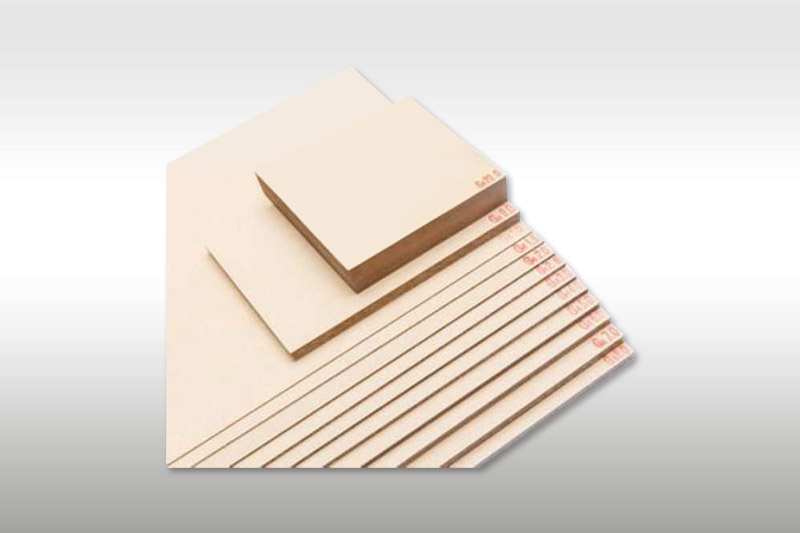
G10 is a high-pressure fiberglass laminate made by stacking glass cloth soaked in epoxy resin and compressing it under heat.
Key Features of G10:
• High mechanical strength
• Excellent machinability (ideal for CNC processing)
• Good electrical insulation properties
• Lower cost compared to FR4
• No inherent flame resistance
G10 is widely used in:
• Structural components
• Mechanical supports
• Industrial fixtures
• General insulation parts (non-critical environments)
Related internal reading: Epoxy Fiberglass Laminates Overview
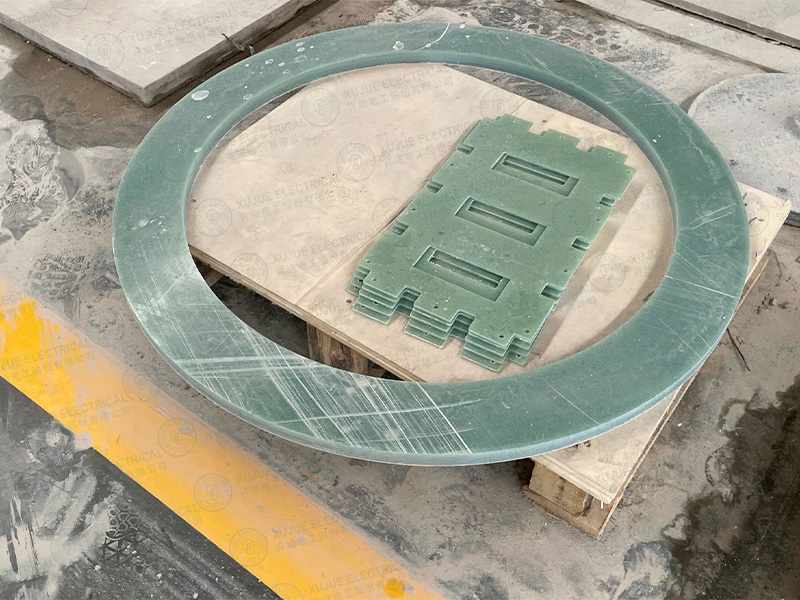
What Is FR4 Material?
FR4 is essentially an enhanced version of G10, designed to meet stricter electrical and safety requirements.
Key Features of FR4:
• All properties of G10
• Flame-retardant (UL94 V-0 rated)
• Higher thermal stability
• Better performance in electrical environments
FR4 is commonly used in:
• PCB (Printed Circuit Boards)
• Transformer insulation
• Motor slot wedges
• Electrical insulation components
Related internal reading: FR4 Sheet for Electrical Insulation Applications
G10 vs FR4: Key Differences That Matter to Buyers
|
Property |
G10 |
FR4 |
|
Flame Resistance |
❌ No |
✅ UL94 V-0 |
|
Temperature Rating |
~130°C |
130°C |
|
Electrical Reliability |
Good |
More stable |
|
Cost |
Lower |
Higher |
|
Application Scope |
Mechanical / Low-risk |
Electrical / High-requirement |
The Core Difference:
FR4 = G10 + Flame Retardancy
Cost vs Performance: The Real Procurement Trade-Off
Many buyers assume:
“G10 is cheaper, so it’s more cost-effective.”
This is only partially true.
When G10 Saves Cost:
• Non-electrical applications
• Low-temperature environments
• Projects without certification requirements
When FR4 Saves Cost (Indirectly):
• High-temperature environments
• Electrical insulation systems
• Export projects requiring UL compliance
Key Insight:
Choosing G10 in the wrong scenario often leads to:
• Product failure
• Rework costs
• Customer complaints
• Certification rejection
In these cases, FR4 is actually the cheaper option in the long run.
Application-Based Selection Guide
When to Choose G10
G10 is the right choice for:
• CNC machined structural parts
• Mechanical supports
• Tooling fixtures
• Low-cost insulation applications
• Non-flame-critical environments
When to Choose FR4
FR4 is essential for:
• Electrical insulation systems
• Motor components (e.g., slot wedges)
• Transformer structures
• PCB manufacturing
• Projects requiring UL certification
Supplier Risks: Avoid Material Substitution Issues
In global sourcing, one hidden risk is material mislabeling.
Some suppliers may:
• Offer G10 at FR4 pricing
• Or substitute G10 for FR4 without clear disclosure
How to Protect Your Purchase:
• Request material datasheets (TDS)
• Confirm UL certification
• Specify thermal class (B, F, H)
• Work with experienced insulation material manufacturers
Related internal reading: Custom CNC Machining for Insulation Materials
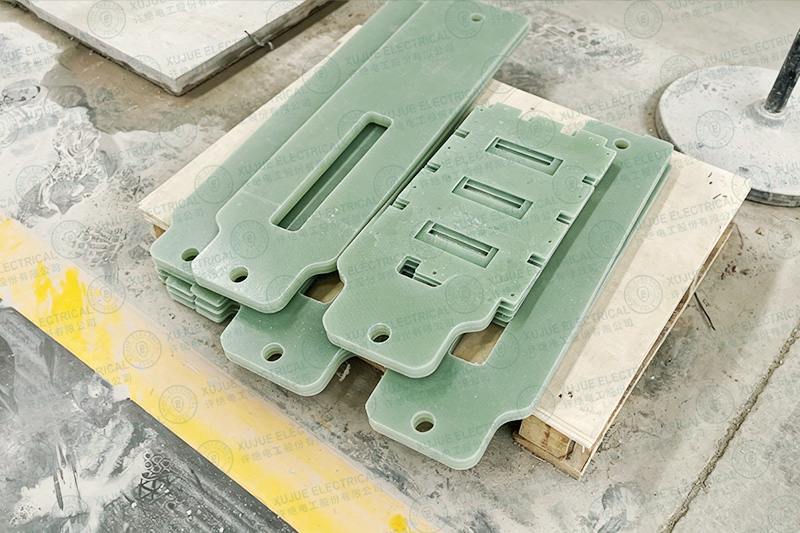
G10 vs FR4 in CNC Machining
From a processing perspective:
• Both materials are suitable for CNC machining
• G10 may produce slightly less tool wear
• FR4 offers better dimensional stability under heat
For high-precision electrical parts, FR4 is generally preferred.
Conclusion: The Right Choice Depends on the Application
There is no universally “better” material between G10 and FR4.
G10 = Cost-effective for mechanical and low-risk applications
FR4 = Reliable for electrical, thermal, and safety-critical applications
The smartest procurement strategy is not choosing the cheapest material—
but choosing the right material for the right application.