PET Polyester Film for Motor Insulation: A Complete Guide
If you're sourcing insulation materials for electric motors, PET polyester film is likely already on your shortlist — and for good reason. It's cost-effective, electrically reliable, and widely available across standard insulation grades. But knowing where and how to use it correctly can make a real difference in motor performance and service life.
What Is PET Polyester Film Used for in Electric Motors?
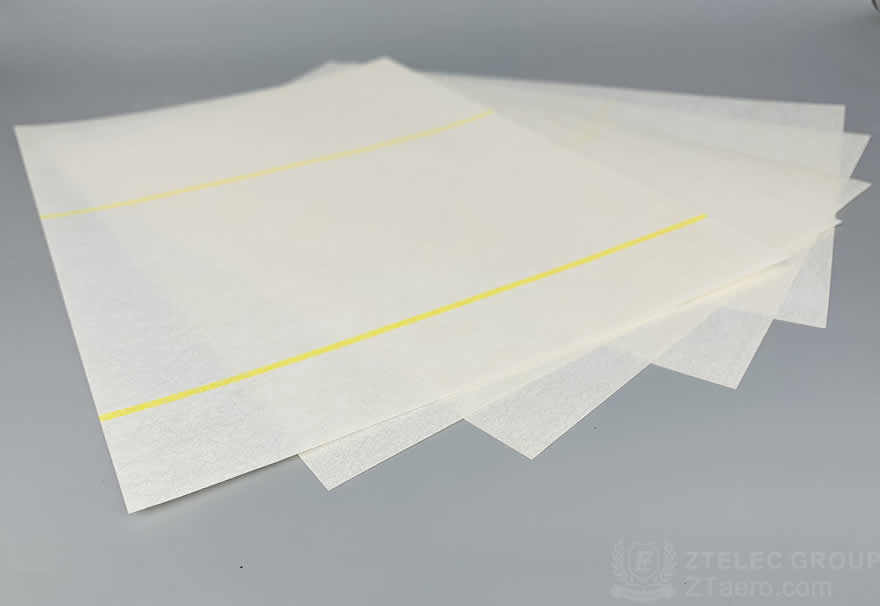
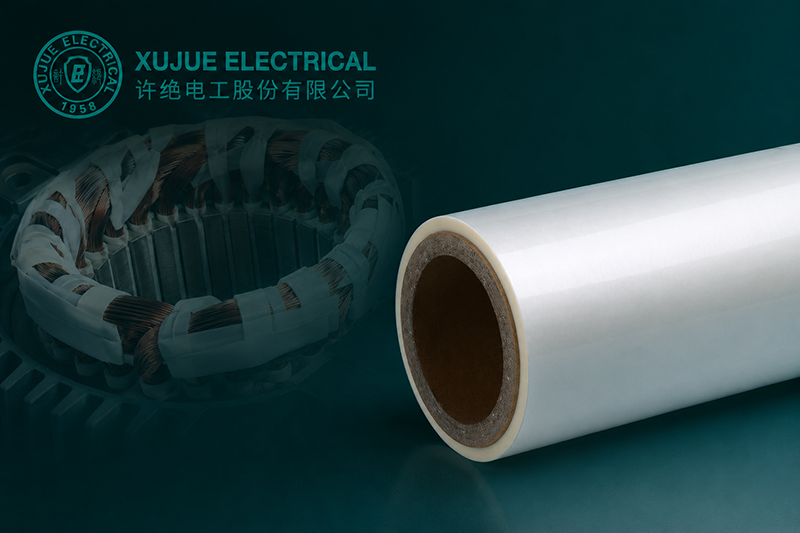
PET film is a biaxially oriented thermoplastic film widely used as a dielectric insulation material in low- to mid-voltage electric motors. It appears in thicknesses ranging from 50μm to 350μm and is commonly rated at Class A (105°C) per IEC 60085 — making it suitable for the vast majority of industrial and commercial motor applications.
4 Key Applications of PET Insulation Film in Electric Motors
1. Slot Liner Insulation
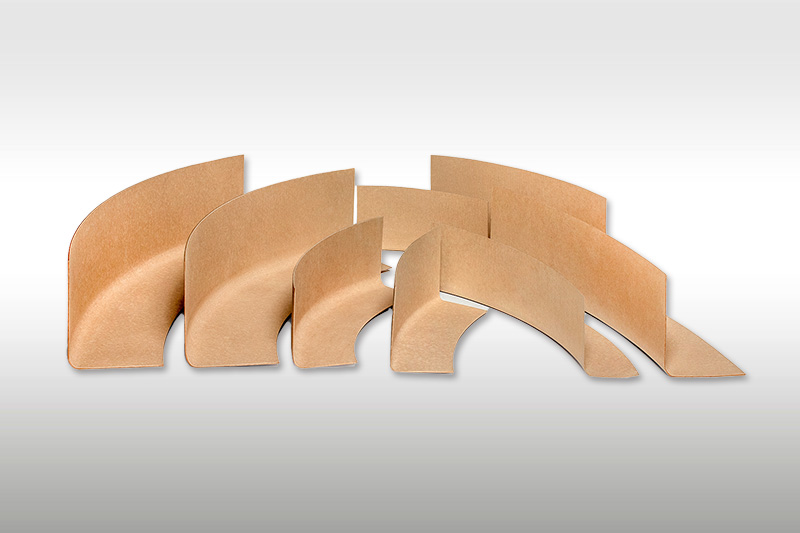
The most common use. Die-cut PET film is inserted into stator core slots to electrically isolate the copper winding from the laminated iron core. With a dielectric strength of 150–200 kV/mm, a single layer of PET film reliably handles the insulation demands of most 380V–690V low-voltage motors.
2. Phase-to-Phase Insulation
In three-phase motors, PET film is placed between coil groups to prevent inter-phase short circuits caused by vibration, thermal cycling, or winding movement during operation. This is a critical protection layer that's often overlooked during motor repairs.
3. End-Turn Insulation and Wedges
The winding end turns experience concentrated mechanical stress. PET film's high tensile strength (≥180 MPa) and excellent fold endurance make it a reliable choice for end-turn wrapping and slot wedge backing in Class B/F motor systems.
4. Composite Insulation Structures (DMD / NMN)
PET film is frequently laminated with Nomex aramid paper or non-woven fabric to form composite materials such as DMD (Dacron-Mylar-Dacron) and NMN. These composites push the thermal rating up to Class H (180°C) and are standard in high-performance traction motors, servo motors, and hermetic compressor motors.
PET Film vs Nomex: Which Should You Choose?
This is one of the most common questions in motor insulation procurement. Here's a practical breakdown:
• Choose PET film when your motor is rated Class B or F, budget matters, and you need consistent dielectric performance with stable dimensional tolerances.
• Choose Nomex when thermal class H or above is required, or when the motor operates in harsh chemical or humidity environments.
• Choose DMD/NMN composite when you need the best of both — Class H rating with the mechanical flexibility and cost advantage of a PET core layer.
For EV drive motors and high-frequency inverter-fed motors, dielectric strength under pulse voltage conditions becomes critical. In these cases, mica-reinforced or corona-resistant PET composites are worth the premium.
What to Check Before You Buy PET Insulation Film
Not all PET films are equal. When evaluating suppliers, verify:
• IEC 60243 breakdown voltage test results
• UL 94 flammability rating (V-0 or HB depending on application)
• Thickness tolerance (±5% or tighter for precision slot insertion)
• Thermal class certification per IEC 60085
• RoHS compliance for export markets
The Bottom Line
PET polyester film remains one of the most reliable and cost-efficient insulation solutions for Class B and Class F electric motors. Whether you're manufacturing household appliance motors, industrial pump motors, or HVAC fan motors, the right grade of PET film delivers consistent protection at a predictable cost.
As motor designs push toward higher power density and tighter thermal margins — especially in EV and industrial automation applications — PET-based composite insulation systems will continue to play a central role in next-generation motor design.