Selection Guide for Paper & Paperboard in Transformer Insulation
Transformer insulation systems rely heavily on cellulose-based materials to provide electrical insulation, mechanical support, and long-term reliability. Among these materials, insulation paper and insulation paperboard are the most widely used in oil-immersed transformers. Selecting the appropriate material is essential for ensuring transformer performance, service life, and operational safety.
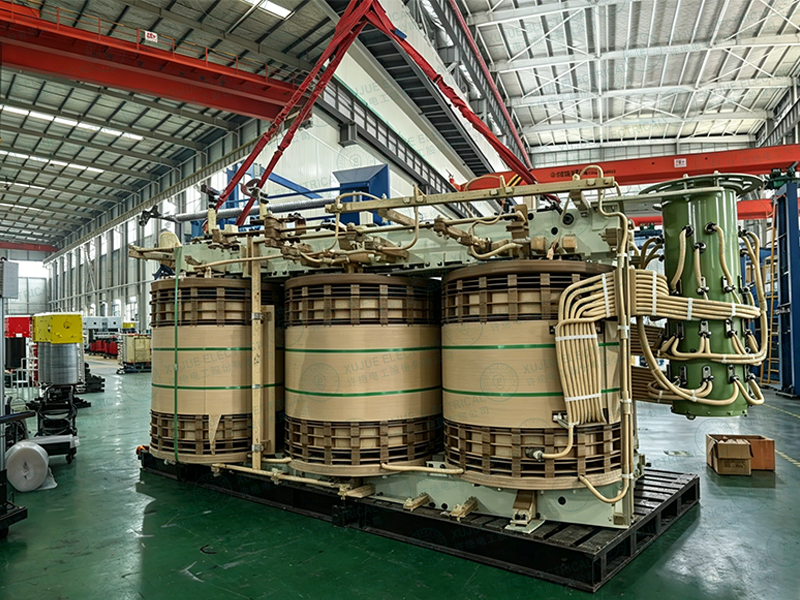
Understanding the Difference
Although both products are manufactured from high-purity electrical-grade cellulose, they serve different purposes within a transformer.
Insulation Paper
Insulation paper is relatively thin and flexible, making it suitable for wrapping conductors and providing layer insulation. It offers excellent dielectric strength and compatibility with transformer oil.
Typical applications include:
• Conductor wrapping
• Interlayer insulation
• Cable insulation
• Coil winding insulation
• Turn-to-turn insulation
Common types include Kraft Paper, Diamond Dotted Paper (DDP), and Crepe Paper.
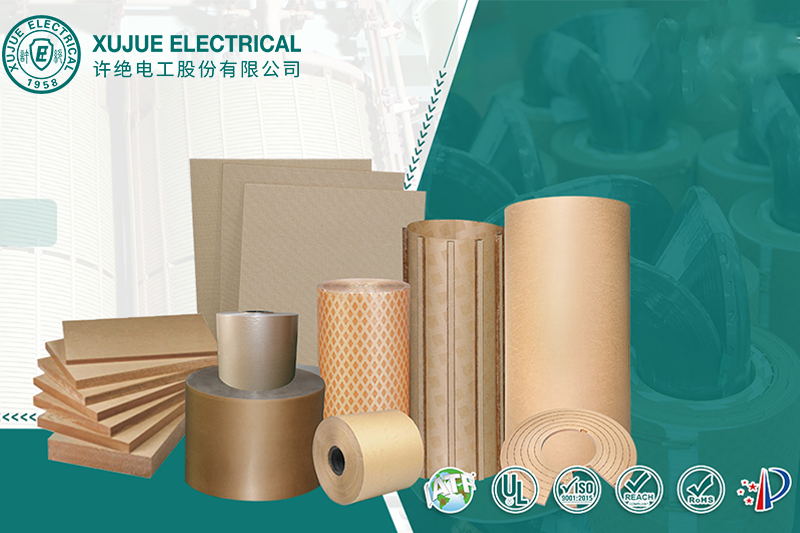
Insulation Paperboard
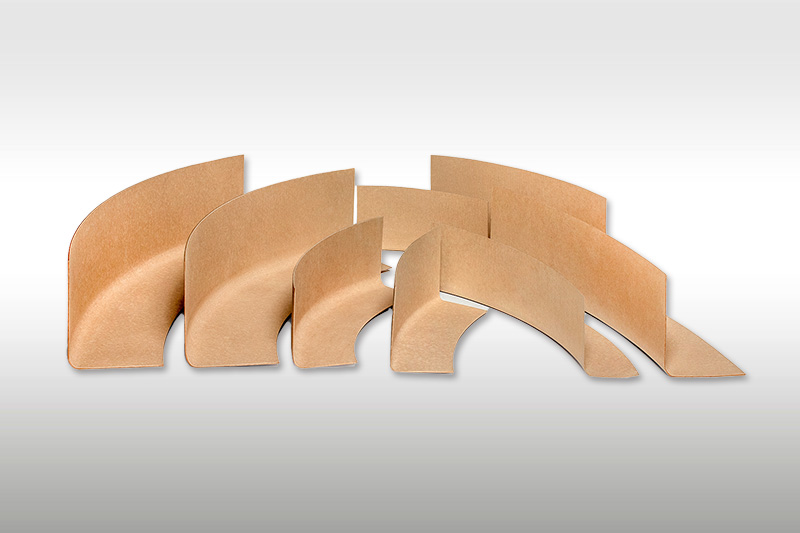
Insulation paperboard is thicker and more rigid than insulation paper. It provides both electrical insulation and structural support within transformer assemblies.
Typical applications include:
• Spacer blocks
• End rings
• Support structures
• Pressboard components
Paperboard is often used in medium- and high-voltage transformers where mechanical strength is critical.
Key Selection Factors
1. Voltage Class
The transformer voltage level significantly influences material selection.
• Low-voltage transformers may primarily use insulation paper.
• Medium- and high-voltage transformers require a combination of insulation paper and paperboard to achieve adequate dielectric clearances.
Higher voltage ratings generally require thicker insulation structures and more robust pressboard components.
2. Mechanical Requirements
Areas exposed to compression forces, vibration, or short-circuit stresses should utilize high-density paperboard.
For flexible applications such as conductor wrapping, insulation paper remains the preferred choice.
3. Thermal Performance
Transformer insulation materials must withstand continuous operating temperatures.
Key considerations include thermal class requirements, hot-spot temperatures, and expected transformer lifespan.
High-quality cellulose materials help maintain dielectric integrity under elevated temperatures when properly impregnated with transformer oil.
4. Oil Compatibility
Both insulation paper and paperboard should possess excellent oil absorption characteristics to ensure complete impregnation and efficient heat dissipation.
Proper oil penetration also improves dielectric performance and reduces the risk of partial discharge.
5. Processing Requirements
Different transformer designs require different material characteristics:
• Kraft Paper: High dielectric strength and dimensional stability.
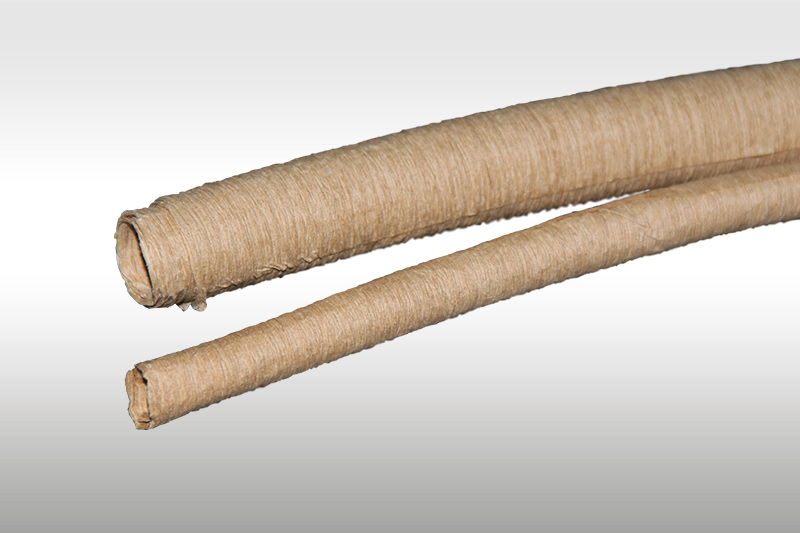
• Crepe Paper: Excellent flexibility and stretchability for irregular conductor shapes.
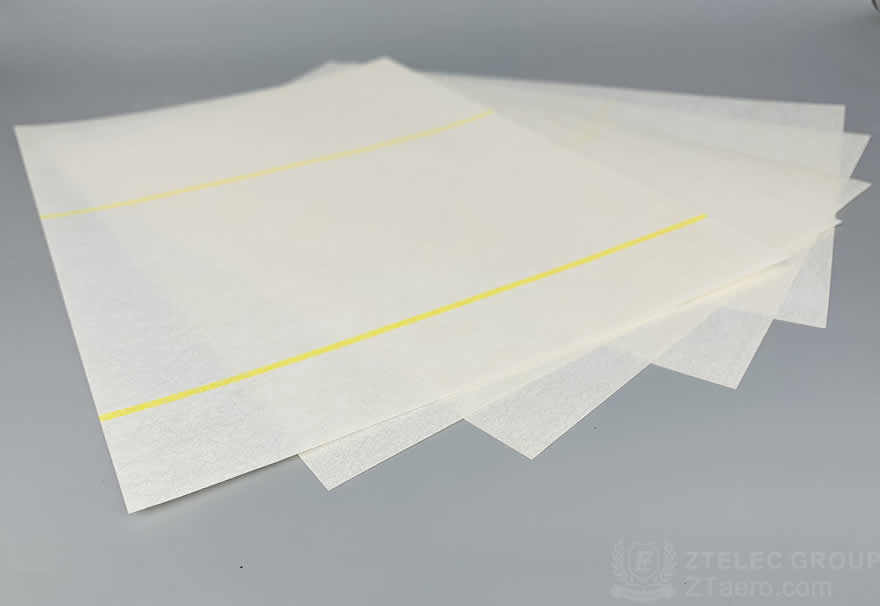
• Diamond Dotted Paper (DDP): Thermally bonded insulation for coil winding applications.
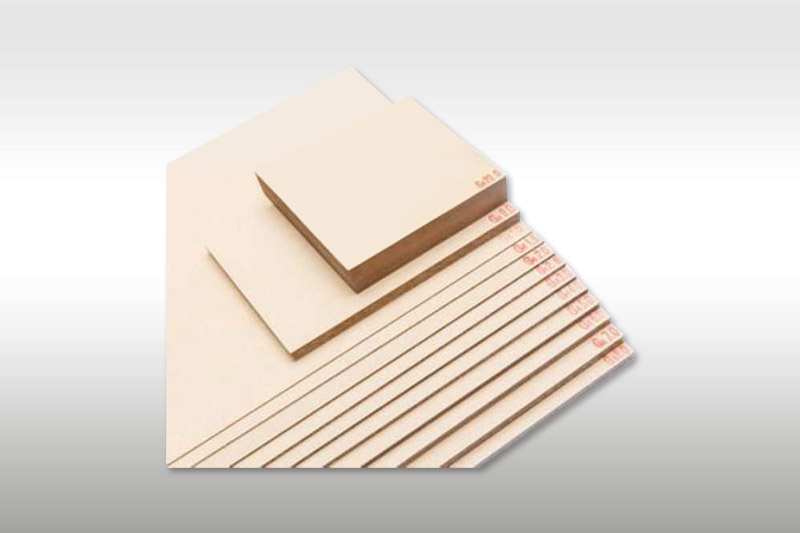
• Transformer Pressboard: High mechanical strength for structural components.
Typical Material Selection
|
Transformer Component |
Recommended Material |
|
Conductor Wrapping |
Kraft Paper |
|
Copper Strip Insulation |
Crepe Paper |
|
Coil Layer Insulation |
Diamond Dotted Paper (DDP) |
|
Insulation Cylinder |
Pressboard |
|
Spacer Block |
Pressboard |
|
Barrier Insulation |
Pressboard |
|
Lead Insulation |
Crepe Paper |
|
End Rings |
Pressboard |
Conclusion
Both insulation paper and insulation paperboard play vital roles in transformer insulation systems. Paper provides flexible electrical insulation for conductors and windings, while paperboard delivers the mechanical strength and structural support required for reliable transformer operation.
By considering voltage level, mechanical requirements, thermal performance, oil compatibility, and processing needs, transformer manufacturers can select the most suitable insulation materials and optimize transformer reliability, efficiency, and service life.