What Is Transformer Insulation Paper?
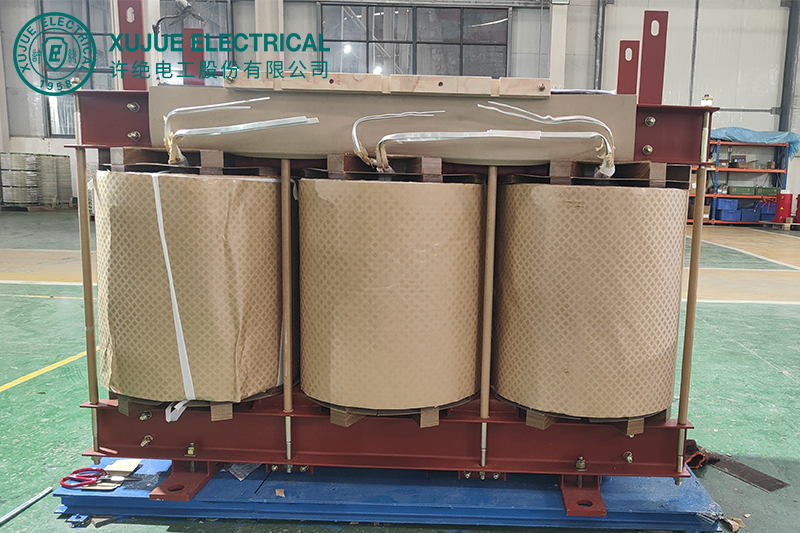
Transformer Insulation Paper is a specialized electrical insulation paper designed to electrically isolate transformer components while providing mechanical support inside transformers. It is one of the most important transformer insulation materials, ensuring safe operation under high voltage and elevated temperatures.
In oil-filled power transformers, insulation paper works together with transformer oil to create a reliable dielectric insulation system. While transformer oil provides cooling and external insulation, the paper offers excellent electrical strength between windings and structural components.
Because of its excellent dielectric performance, high mechanical strength, and long service life, cellulose insulation paper has become the industry standard for oil-immersed transformer insulation worldwide.
Why Is Transformer Insulation Paper Important?
Transformers operate continuously under electrical, thermal, and mechanical stress. Without proper insulation, electrical discharge may occur between conductors, resulting in equipment failure or costly downtime.
Transformer insulation paper performs several critical functions:
• Provides electrical insulation between windings
• Prevents short circuits and partial discharge
• Improves dielectric strength when impregnated with transformer oil
• Supports winding structures during short-circuit forces
• Extends transformer service life
The combination of insulation paper and transformer oil forms one of the most reliable insulation systems used in high-voltage equipment today.
How Transformer Insulation Paper Works
In an oil-immersed transformer, cellulose paper absorbs insulating oil during the vacuum drying and oil impregnation process.
This combination creates a composite insulation system that offers:
• High dielectric strength
• Excellent thermal stability
• Improved moisture resistance
• Better aging performance
• Enhanced mechanical durability
Because oil fills the microscopic pores within the paper fibers, the insulation system becomes significantly stronger than dry insulation alone.
Types of Transformer Insulation Paper
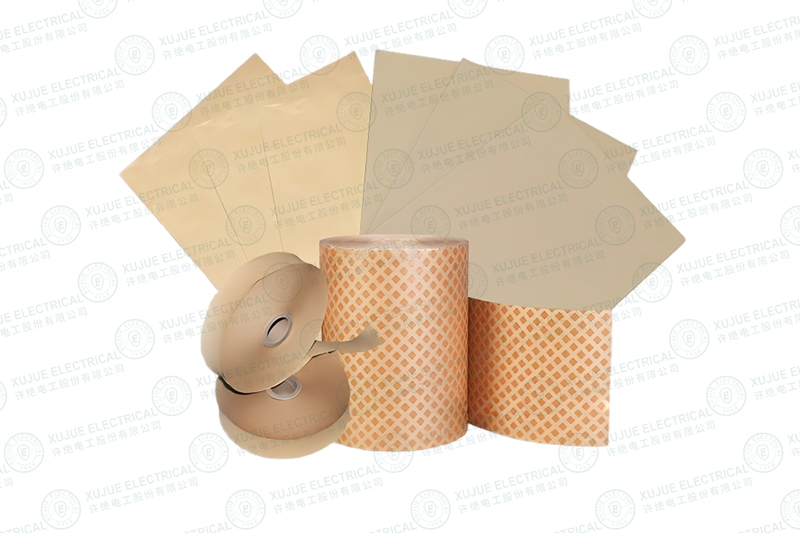
Different transformer designs require different insulation materials. The most commonly used transformer insulation papers include:
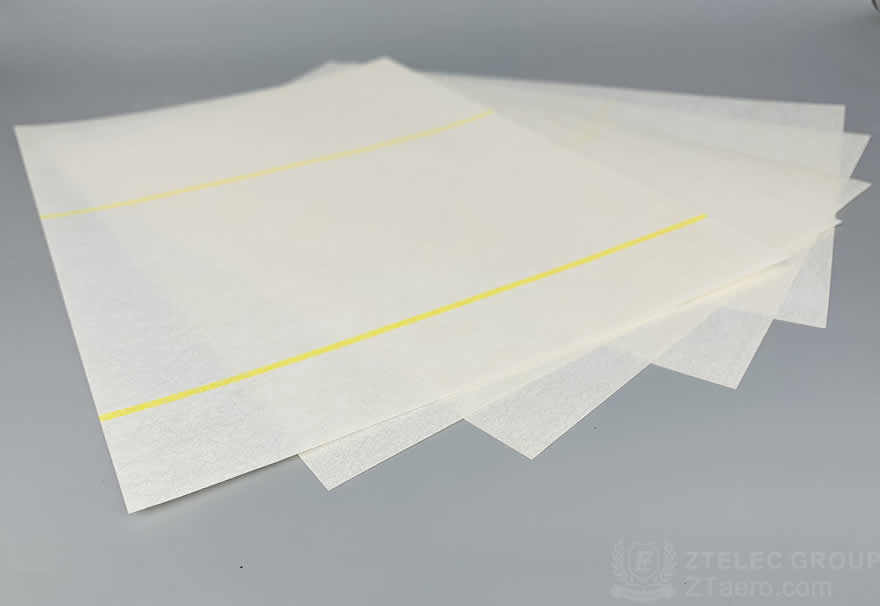
Pre-impregnated DMD (Prepreg DMD)
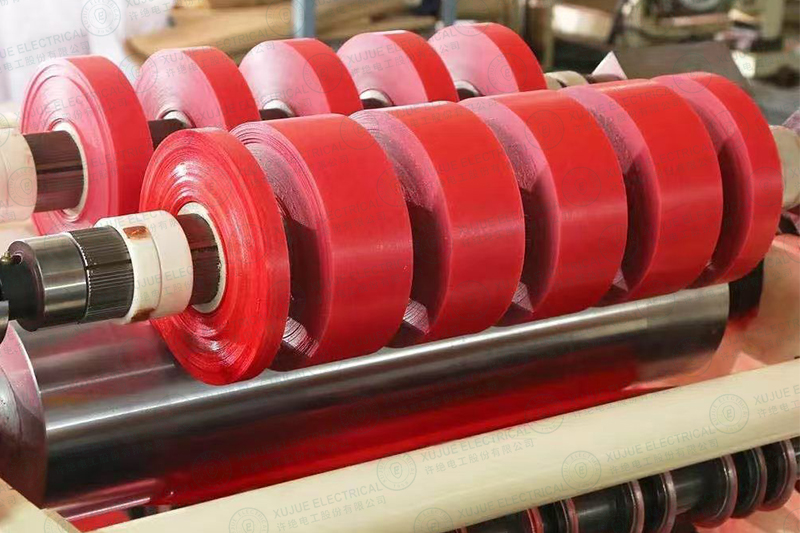
Pre-impregnated DMD is a composite electrical insulation material made of polyester film laminated with nonwoven polyester fabric and pre-impregnated with heat-resistant resin. After heat curing, it forms a strong and durable insulation structure with excellent mechanical and electrical performance.
Compared with ordinary DMD insulation paper, Prepreg DMD offers improved bonding strength and production efficiency.
Typical applications:
• Dry-type transformers
• Electric motors
• Generator windings
• Electrical coils requiring Class F or Class H insulation
Kraft Insulation Paper
Kraft paper is widely used for conductor wrapping and layer insulation because of its high purity and excellent dielectric properties.
Applications include:
• Copper conductor insulation
• Coil wrapping
• Layer insulation
• Cable insulation
Diamond Dotted Paper (DDP)
Diamond Dotted Paper features heat-curable epoxy resin dots on its surface.
After the transformer winding is heated, the resin bonds adjacent winding layers together, improving mechanical strength while maintaining excellent oil permeability.
Typical applications:
• Distribution transformers
• Power transformers
• High-voltage transformer coils
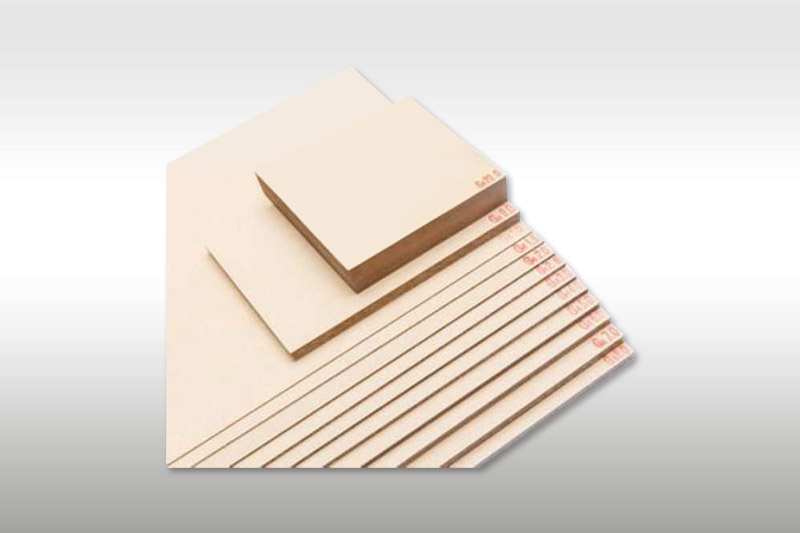
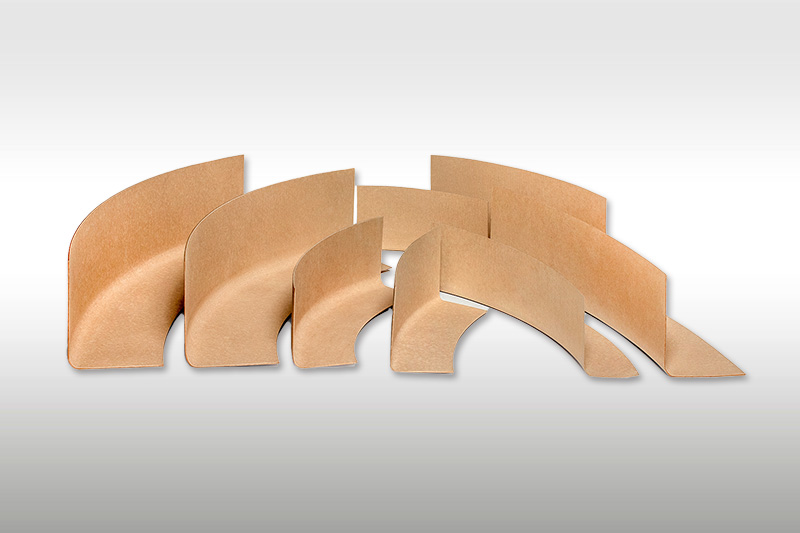
Pressboard
Although thicker than standard insulation paper, pressboard is manufactured from high-quality cellulose fibers and is considered one of the most important transformer insulation materials.
It is commonly used for:
• End rings
• Barriers
• Spacers
• Cylinders
• Structural insulation parts
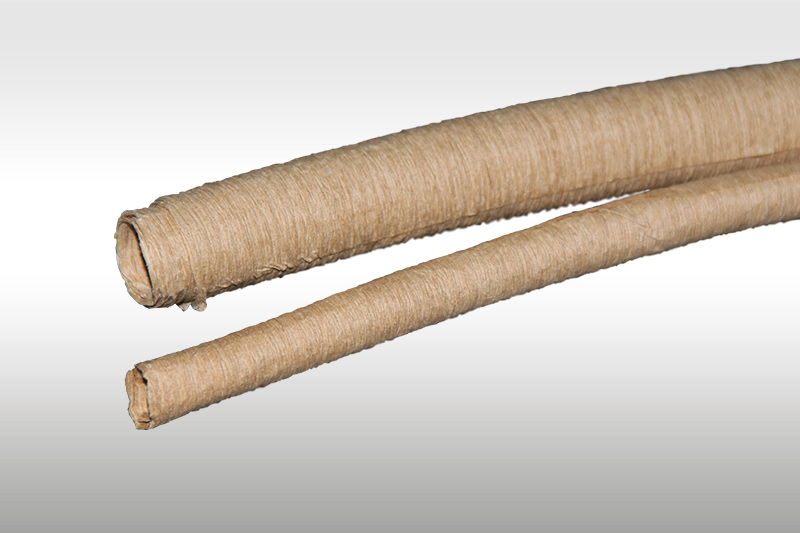
Crepe Paper
Crepe paper has excellent flexibility and elasticity, making it ideal for wrapping irregular conductors and complex winding structures.
Why Cellulose Insulation Paper Is Widely Used
Modern transformer insulation systems still rely heavily on cellulose insulation paper because it offers an excellent balance of performance and cost.
Key advantages include:
• Excellent Dielectric Strength
Cellulose fibers provide outstanding insulation after oil impregnation, helping transformers withstand high operating voltages.
• High Mechanical Strength
Transformer windings experience strong electromagnetic forces during short-circuit events. Insulation paper helps maintain winding integrity.
• Long Service Life
High-quality insulation paper can operate reliably for decades when properly dried and maintained.
• Good Oil Compatibility
Cellulose paper works exceptionally well with mineral oil, natural ester oil, and synthetic insulating fluids.
• Environmentally Friendly
Since cellulose insulation paper is produced from natural wood pulp, it is biodegradable and more sustainable than many synthetic insulation materials.
How to Choose the Right Transformer Insulation Material
Selecting the appropriate transformer insulation material depends on several factors:
• Transformer voltage class
• Temperature rating
• Mechanical strength requirements
• Oil compatibility
• Thickness tolerance
• Moisture content
• Electrical performance
• Manufacturing process
For custom transformer designs, manufacturers often combine multiple insulation materials such as insulation paper, pressboard, laminated wood, and oil duct strips to achieve optimal performance.