Anti-Static FR4 Sheet for Semiconductor Fixtures: Material Selection and Applications
As semiconductor manufacturing becomes more precise, electrostatic discharge (ESD) control is essential for protecting sensitive electronic components.
Fixture materials must provide suitable electrical properties, mechanical stability and reliable machining performance. Anti-static FR4 sheet is one material option for semiconductor fixtures, support plates and selected equipment components.
This article introduces its characteristics, applications and key selection factors.
FR4 is a glass-fiber-reinforced epoxy laminate widely used in electrical insulation and industrial manufacturing.
Anti-static FR4 is designed to provide controlled electrical resistance, helping reduce static charge accumulation. Depending on its construction, it is generally available in two types:
• Surface anti-static FR4: Static-control properties are provided through a treated surface.
• Overall anti-static FR4: Static-control properties are incorporated throughout the material.
Unlike standard FR4, which primarily provides electrical insulation, anti-static FR4 is intended for applications requiring static charge control.
Some commercial ESD FR4 products specify surface resistivity in the range of 10⁶–10⁹ Ω. Actual values vary by manufacturer and grade and should be confirmed through technical datasheets.
2. Why Is Anti-Static FR4 Used in Semiconductor Equipment?
Electrostatic discharge can damage sensitive electronic components during manufacturing, assembly and testing.
IEC 61340-5-1:2024 provides requirements for establishing an ESD control program in organizations handling electrostatic-sensitive electronic devices.
As part of this system, fixture materials need to be selected according to their electrical and mechanical requirements.
Anti-static FR4 offers several advantages:
Controlled electrical resistance: Helps reduce static charge accumulation in suitable ESD control systems.
• Mechanical rigidity: Provides stable support for fixture plates and positioning components.
• Dimensional stability: Supports precision machining and repeatable assembly.
• Machinability: Can be processed through CNC milling, drilling and cutting.
These characteristics make anti-static fiberglass sheet a potential choice for selected semiconductor equipment applications.
3. Common Applications of Anti-Static FR4
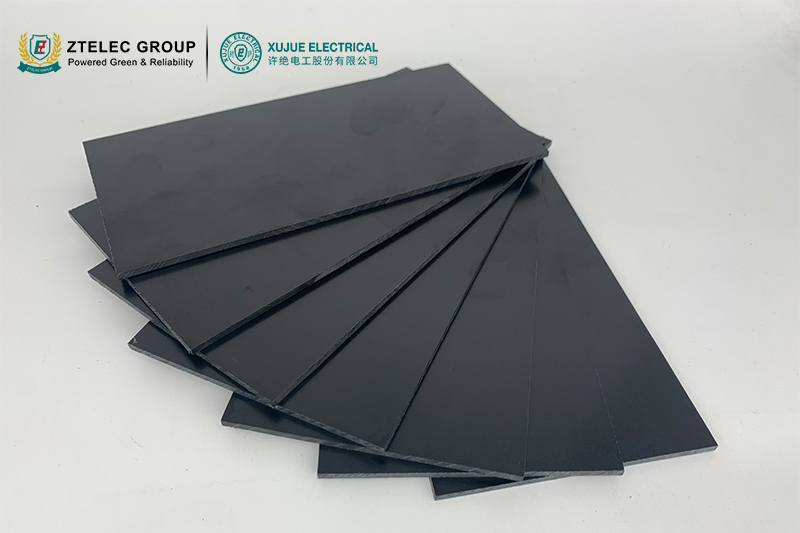
Depending on the equipment design and required performance, anti-static FR4 can be machined into:
Semiconductor Assembly Fixtures
Fixture plates, positioning blocks and support components used to maintain accurate alignment during assembly.
Wafer and Component Handling Equipment
Selected carrier plates, support structures and positioning components. Direct wafer-contact applications require additional evaluation of cleanliness and particle generation.
Testing and Inspection Equipment
Equipment bases, support plates and custom test fixture components requiring mechanical rigidity and controlled electrical characteristics.
Automated Production Equipment
Customized mounting plates, brackets and support components used in selected automated manufacturing systems.
Final material selection should consider actual operating conditions and ESD requirements.
4. Anti-Static FR4 vs. Standard FR4
Both materials use fiberglass-reinforced epoxy structures, but their electrical functions differ.
|
Comparison |
Standard FR4 |
Anti-Static FR4 |
|
Main Function |
Electrical insulation |
Static charge control |
|
Electrical Properties |
Generally high electrical resistance |
Controlled electrical resistance |
|
Typical Applications |
Insulating plates and supports |
ESD-conscious fixtures and equipment components |
|
Selection Priority |
Insulation performance |
Resistance range and ESD requirements |
Standard FR4 is generally suitable when electrical isolation is the priority. Anti-static FR4 may be considered when controlling static charge accumulation is also necessary.
5. How to Select the Right ESD FR4 Sheet
Before purchasing an ESD FR4 sheet for semiconductor fixtures, consider these factors:
Electrical Resistance: Confirm the required surface or volume resistivity. ASTM D257 provides test methods for measuring electrical resistance and resistivity of insulating materials.
Thickness and Dimensions: Select sheet thickness and size according to fixture design and machining requirements.
Mechanical Properties: Evaluate rigidity, flexural strength and dimensional stability based on expected loads.
Operating Environment: Consider temperature, cleaning agents and potential chemical exposure.
Machining Accuracy: Confirm dimensional tolerances, hole positions, surface finish and CNC machining requirements.
A technical datasheet and application drawing help the manufacturer assess material suitability.
6. Custom Anti-Static FR4 Components
Many semiconductor equipment manufacturers require customized parts rather than standard sheets.
Anti-static FR4 can be machined into:
• Fixture and support plates
• Positioning blocks and spacers
• Equipment mounting plates
• Custom brackets and insulating supports
• Testing and inspection fixture components
When contacting an ESD FR4 sheet supplier, provide the required resistance range, dimensions, technical drawings, application conditions and order quantity. This information helps evaluate material selection and machining feasibility.
ZTELEC provides electrical insulation materials and customized components for industrial applications.