Pressboard vs Laminated Wood: Which Transformer Insulation Material Is Better?
Selecting the right structural insulation material is one of the most important decisions in transformer manufacturing. While both Transformer Pressboard and Electrical Laminated Wood are widely used in power and distribution transformers, they serve different purposes due to their unique mechanical and electrical properties.
Understanding the Difference Between Pressboard and Laminated Wood helps transformer manufacturers optimize insulation performance, improve mechanical stability, and extend transformer service life.
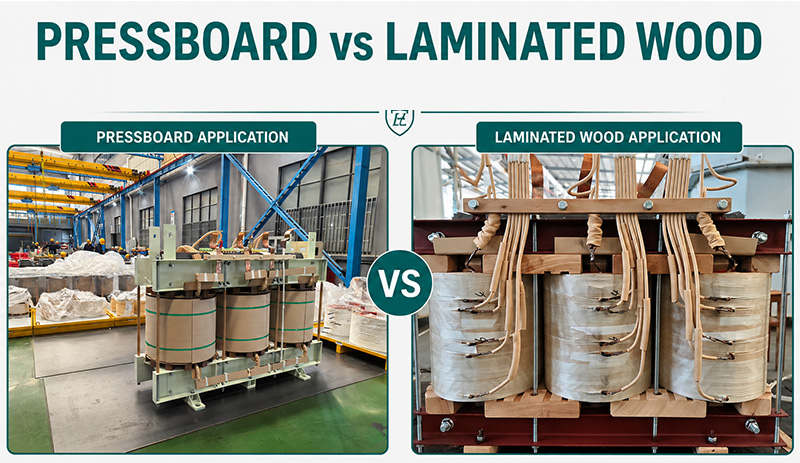
Pressboard vs Laminated Wood: Quick Comparison
|
Feature |
Transformer Pressboard |
Electrical Laminated Wood |
|
Main Function |
Electrical insulation |
Structural support |
|
Dielectric Strength |
Excellent |
Good |
|
Mechanical Strength |
Moderate |
Very High |
|
Compression Resistance |
Good |
Excellent |
|
Oil Compatibility |
Excellent |
Excellent |
|
Machining |
Easy |
Excellent for precision machining |
|
Weight |
Relatively light |
Higher density |
Although both belong to Transformer Insulation Components, their primary roles are different.
Mechanical Strength Comparison
One of the biggest differences between these two materials is mechanical performance.
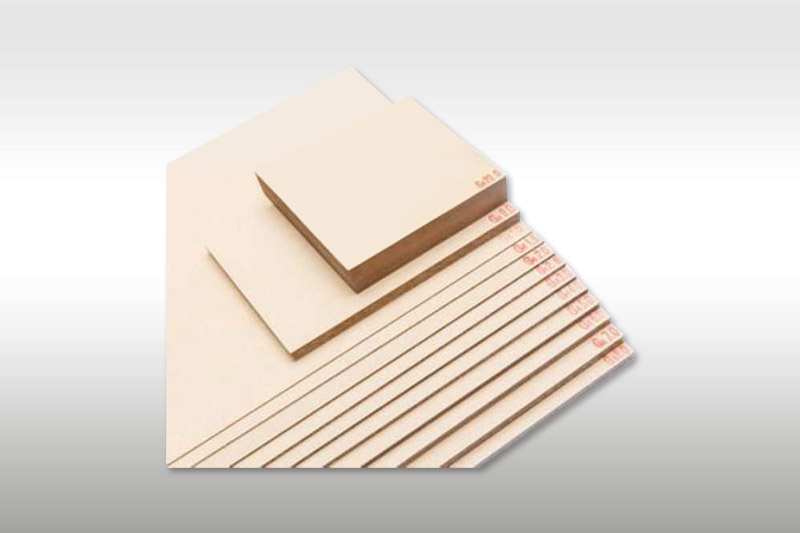
Electrical Laminated Wood is designed to withstand high compressive loads generated during transformer short-circuit events. Its layered wood structure provides outstanding rigidity and dimensional stability.
It is commonly used for:
• Transformer support beams
• Clamping structures
• End support blocks
• Heavy-duty insulation frames
• Large transformer structural assemblies
When transformer manufacturers require durable Transformer Structural Insulation, laminated wood is often the preferred option.
By comparison, Electrical Pressboard offers sufficient mechanical strength for insulation components while providing superior dielectric properties.
Electrical Insulation Performance
When electrical insulation is the primary requirement, Transformer Pressboard offers significant advantages.
High-density cellulose fibers provide:
• Excellent dielectric strength
• Low dielectric loss
• Stable insulation performance in transformer oil
• Reliable long-term electrical aging resistance
This makes pressboard ideal for manufacturing critical Electrical Insulation Components, including:
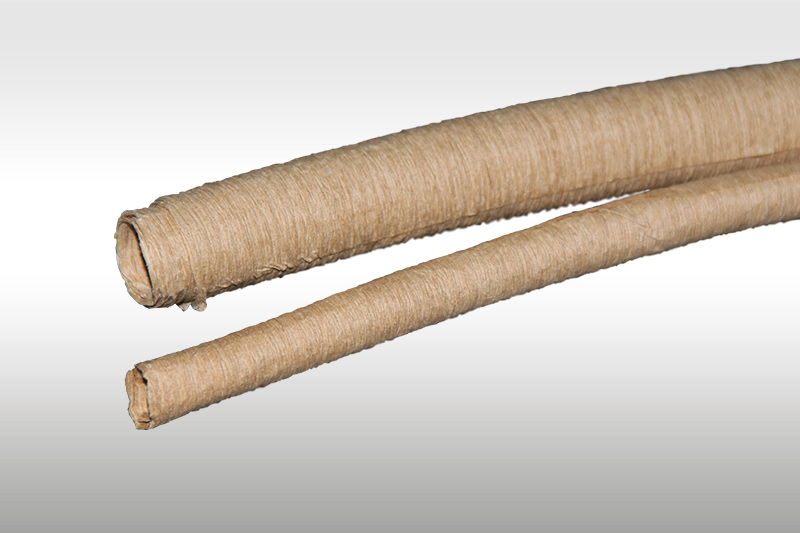
• Insulation cylinders
• Barrier boards
• Washer rings
• Spacer strips
• Insulating discs
In numerous oil-immersed transformer designs, pressboard serves as the key solid insulation barrier between energized conductors, forming part of the oil-paper composite insulation system.
Oil Compatibility and Long-Term Reliability
Both materials are specially engineered for service within oil-filled transformer environments.
They feature:
• Reliable impregnation with transformer oil
• Stable dimensional behaviour under operating conditions
• Good resistance to thermal ageing
• Extended service life under proper operating conditions
• Broad compatibility with mineral oil and various ester-based insulating fluids
Because both materials integrate well with transformer oil, they are widely used in Transformer Manufacturing Materials designed for decades of continuous operation.
Machining Capability and Customization
Modern transformer production often requires highly customized insulation parts.
Both pressboard and laminated wood can be CNC machined into complex shapes.
Common Custom Transformer Insulation Parts include:
• Transformer Spacer Blocks
• Support rings
• Oil duct strips
• Insulation brackets
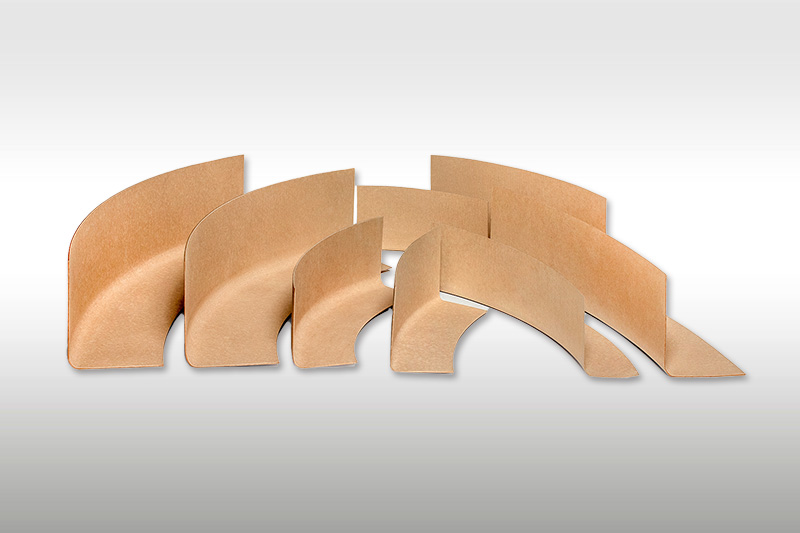
• Corner supports
• Clamping pads
• Precision structural components
A professional Pressboard Parts Manufacturer can supply custom-cut insulation components with tight tolerances, while an experienced Laminated Wood Manufacturer can produce heavy-duty structural parts for transformers of various voltage classes.
Customization improves production efficiency and ensures better assembly accuracy.
Typical Applications in Oil-Immersed Transformers
Rather than replacing each other, these materials work together inside a transformer.
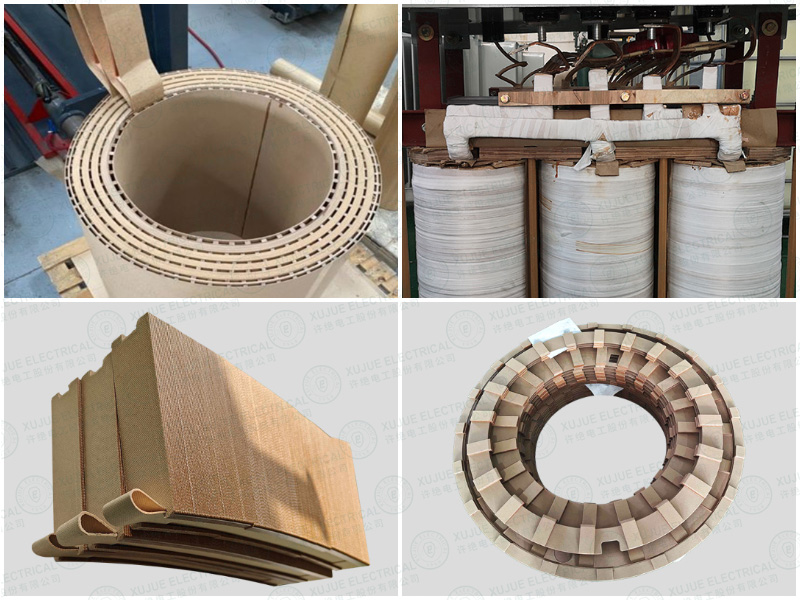
Pressboard is commonly used for:
• Insulation cylinders
• Barrier insulation
• Coil spacers
• Oil ducts
• Insulation rings
• Transformer insulation barriers
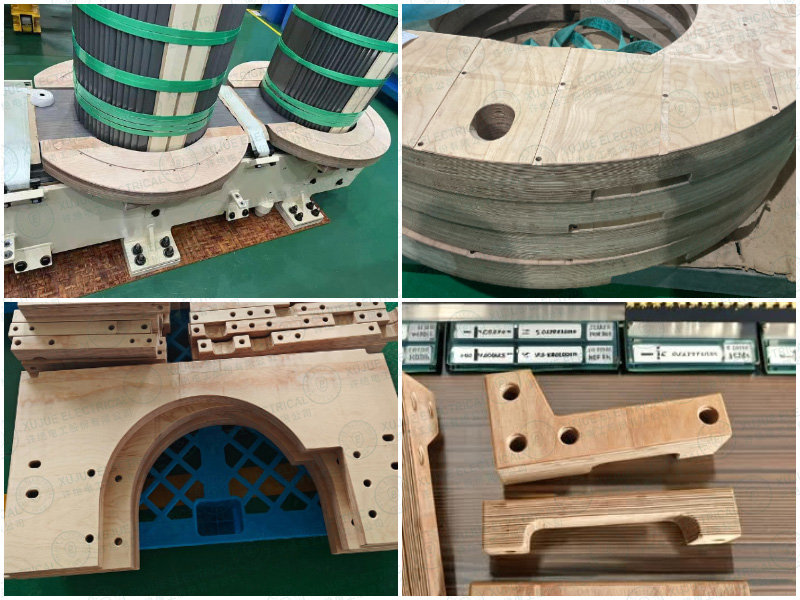
Laminated Wood is commonly used for:
• Structural support blocks
• Clamping beams
• Core support structures
• Mechanical reinforcement
• Compression members
Together, they create a balanced insulation system that combines electrical protection with structural integrity.
Can Pressboard and Laminated Wood Be Used Together?
Absolutely.
Most transformer manufacturers utilize both materials in tandem, as each serves distinct functional purposes.
A typical oil-immersed transformer usually adopts:
• Pressboard for electrical insulation barriers
• Laminated wood for mechanical structural support
This material combination enhances overall transformer reliability and lowers mechanical stress on individual insulation components.
Rather than selecting one material to replace the other, design engineers optimize constructions by deploying each material in applications matching its strengths.
How to Choose the Right Transformer Insulation Material
Before selecting insulation materials, consider the following factors:
Electrical Requirements
Determine whether dielectric performance or structural strength is the primary design objective.
Mechanical Loads
Large transformers generally require stronger support structures, making laminated wood a better choice for load-bearing components.
Operating Environment
Consider oil compatibility, operating temperature, service life, and expected mechanical stress.
Manufacturing Requirements
Evaluate machining precision, part complexity, production volume, and customization needs.
Working with an experienced supplier ensures the selected Transformer Support Materials meet both electrical and mechanical performance requirements.