FR4 Anti-Static Sheet: Complete Procurement Guide for ESD Protection Materials (With Testing Standards)
In modern electronics manufacturing, electrostatic discharge (ESD) is a hidden but critical threat—especially in PCB assembly and semiconductor environments. Choosing the right FR4 anti-static sheet is essential for protecting sensitive components, improving production yield, and ensuring compliance with international standards.
What Is FR4 Anti-Static Sheet?
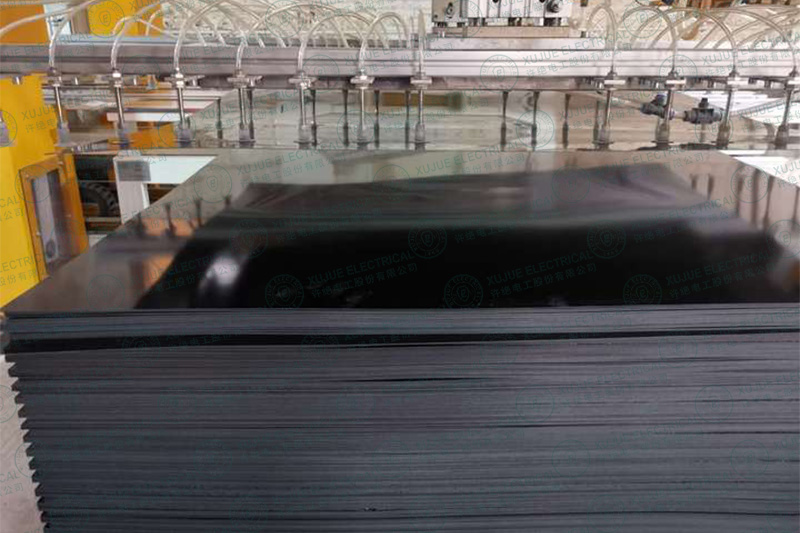
FR4 anti-static sheet is a modified epoxy fiberglass laminate designed to control static electricity. Unlike standard FR4, it offers stable surface and volume resistivity, making it ideal for ESD-safe applications such as SMT production lines and PCB assembly processes.
Learn more about standard FR4 materials: FR4 Epoxy Sheet
1. ESD Material Volume Resistivity Standards
The key parameter for evaluating anti-static materials is volume resistivity. High-quality antistatic FR4 typically falls within the following ranges:
Anti-static range: 107 Ω – 109 Ω
For applications like antistatic FR4 for PCB assembly, maintaining a stable resistivity between 10⁶ – 10⁹ Ω ensures controlled discharge without damaging electronic components.
2. Typical Applications in Electronics Manufacturing
FR4 anti-static sheets are widely used in various high-precision electronic environments:
• Semiconductor packaging: Prevents ESD damage during chip handling
• SMT production lines: Used for fixtures, carriers, and test jigs
• PCB assembly workshops: Workbench surfaces and tooling plates
• Reflow & wave soldering: Maintains dimensional stability under high temperatures
Explore high-temperature insulation materials: G11 Epoxy Fiberglass Sheet
3. ESD Protection Level Reference
Conductive: 10³ – 10⁶ Ω (used for grounding)
Anti-static: 10⁶ – 10⁹ Ω (ideal for PCB assembly and SMT)
Static dissipative: 10⁹ – 10¹¹ Ω (general ESD protection)
Insulative: >10¹² Ω (not suitable for ESD environments)
Choosing the correct ESD level depends on product sensitivity and application scenarios.
4. Essential Certifications for Procurement
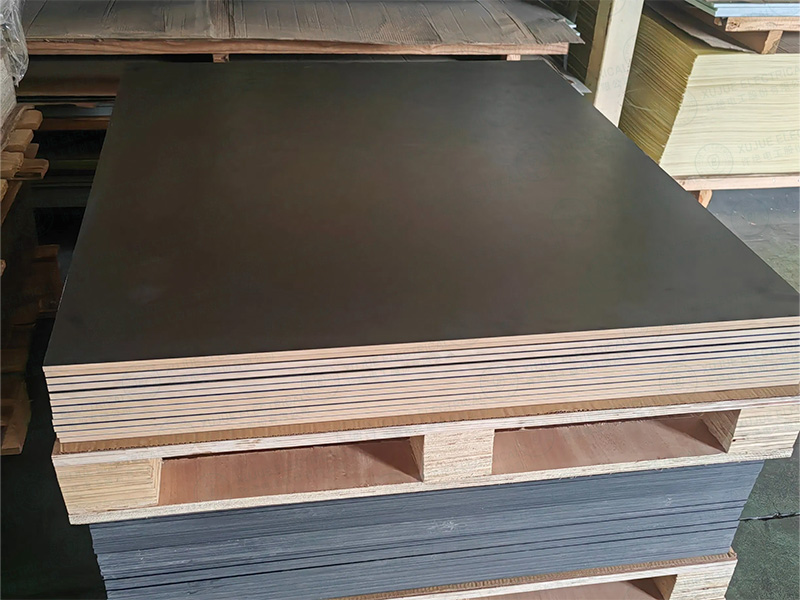
When sourcing FR4 anti-static sheets, ensure your supplier can provide the following certifications:
RoHS Compliance: Ensures restriction of hazardous substances
UL94 V-0 Flame Rating: Confirms fire resistance performance
IEC 60893-3:2003 Test Reports: Verifies ESD protection capability
ISO 9001 Certification: Indicates a reliable quality management system
Discover more insulation solutions: G10 Epoxy Sheet
FAQ: FR4 Anti-Static Sheet Procurement
Q1: What is the difference between anti-static and conductive FR4?
Anti-static FR4 controls charge buildup, while conductive materials allow rapid discharge. Anti-static materials are safer for sensitive electronic components.
Q2: How to choose the right thickness?
Common thickness ranges from 0.5mm to 50mm, depending on mechanical requirements and application scenarios.
Q3: Why is “antistatic FR4 for PCB assembly” important?
This application requires stable resistivity and mechanical precision to prevent micro-damage during PCB production and handling.
Conclusion
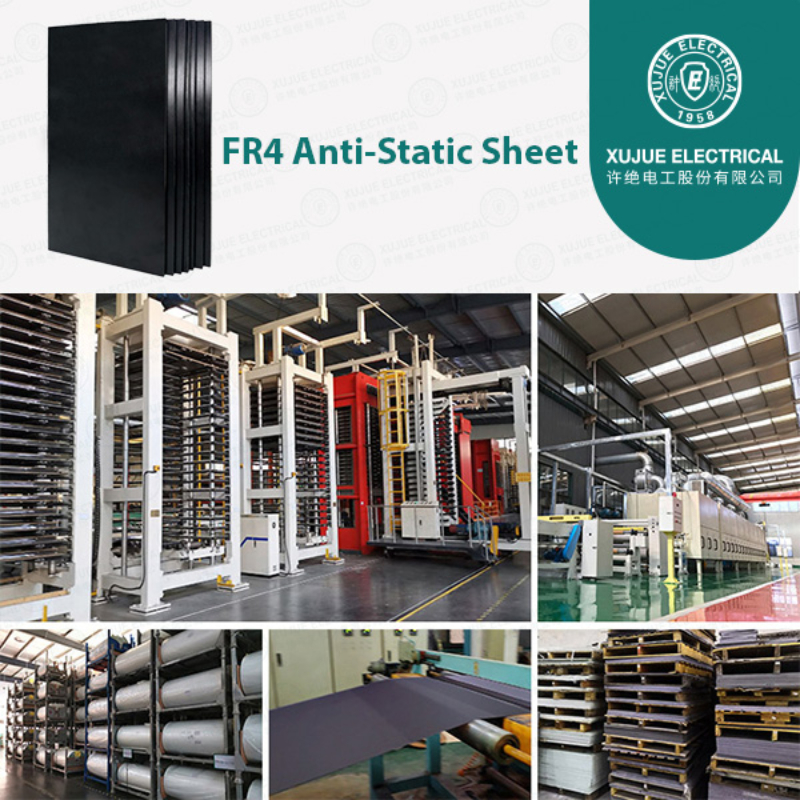
Selecting the right FR4 anti-static sheet is not just about cost—it directly impacts ESD protection performance, product reliability, and compliance with global standards. By understanding resistivity ranges, application needs, and certification requirements, buyers can make informed decisions.
For electronics manufacturers, investing in certified antistatic FR4 for PCB assembly is essential for ensuring safe, stable, and efficient production.