High Temperature Epoxy Insulation Board: How to Choose Between G11 and 3240 Epoxy Sheet
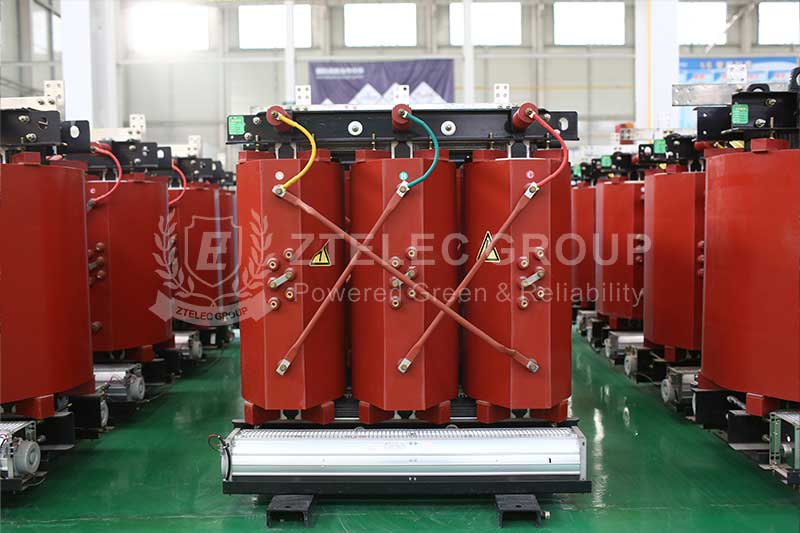
When electrical equipment operates under high-temperature conditions, selecting the right epoxy insulation board becomes critical. Among the most widely used materials, G11 epoxy fiberglass sheet and 3240 epoxy sheet are often compared in transformer and motor applications. This guide will help you understand their differences and make the right decision for your project.
1. Why G11 Excels in High-Temperature Environments (155°C vs 130°C)
G11 epoxy board is designed for demanding thermal conditions. It is manufactured using epoxy resin and glass fiber cloth, with enhanced thermal resistance compared to standard grades.
Key Advantages of G11:
• Thermal Class: F-class (155°C)
• Excellent mechanical strength at high temperatures
• Stable dielectric properties under heat and humidity
• Suitable for long-term continuous operation
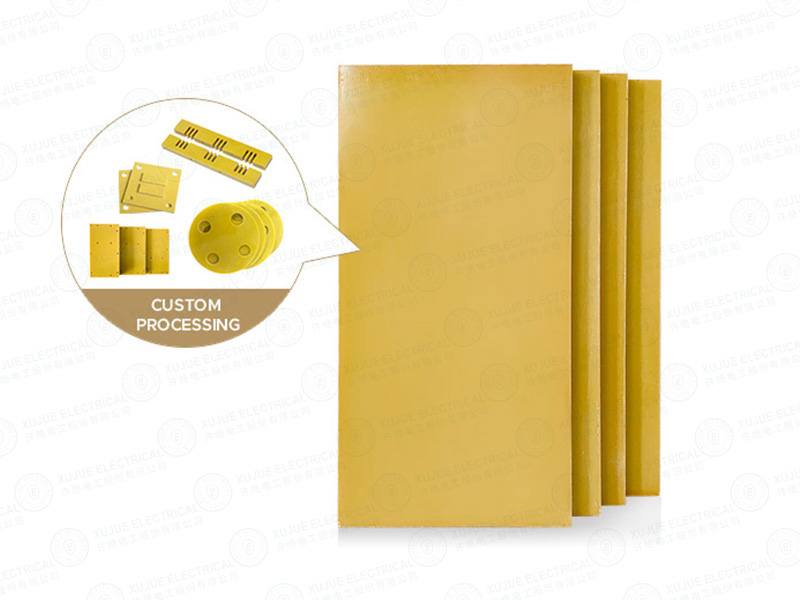
In comparison, FR4 epoxy sheets typically operate at around 130°C, making them less suitable for extreme environments.
► Internal Link: What is FR4 Epoxy Sheet? (Full Material Guide)
2. Understanding 3240 Epoxy Sheet (GB/T Standard System)
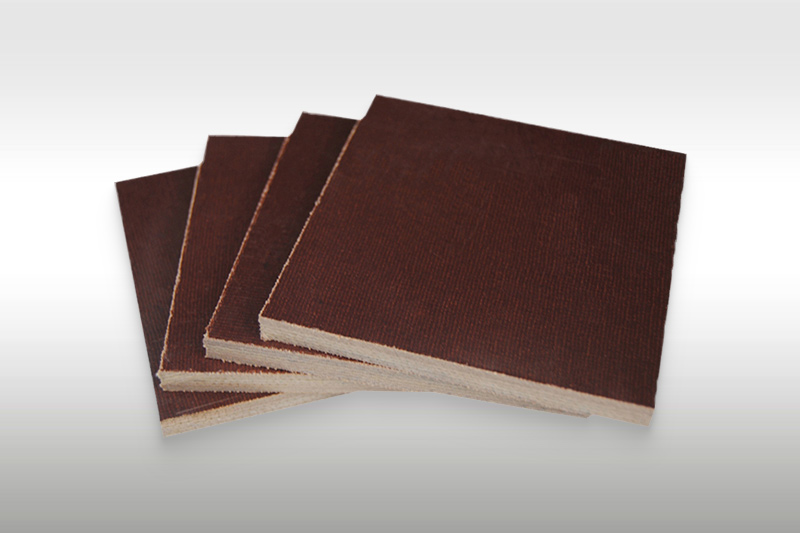
3240 epoxy board is a China GB/T standard insulation material, widely used in industrial electrical applications.
Key Characteristics of 3240:
• Thermal Class: B-class (~130°C)
• Good electrical insulation performance
• Cost-effective solution for standard applications
• Widely available and easy to machine
GB/T Standard Background:
The 3240 grade follows Chinese national standards (GB/T), which define mechanical strength, electrical insulation properties, and heat resistance limits.
Although 3240 is reliable, its thermal resistance is lower than G11, making it less suitable for high-temperature environments.

3. Application Scenarios: Transformer & Motor Insulation
Choosing between G11 and 3240 often depends on the actual working conditions.
G11 Typical Applications:
• High-temperature transformer insulation structures
• Motor slot wedges and insulation supports
• Electrical equipment exposed to thermal cycling
• Power systems requiring long service life
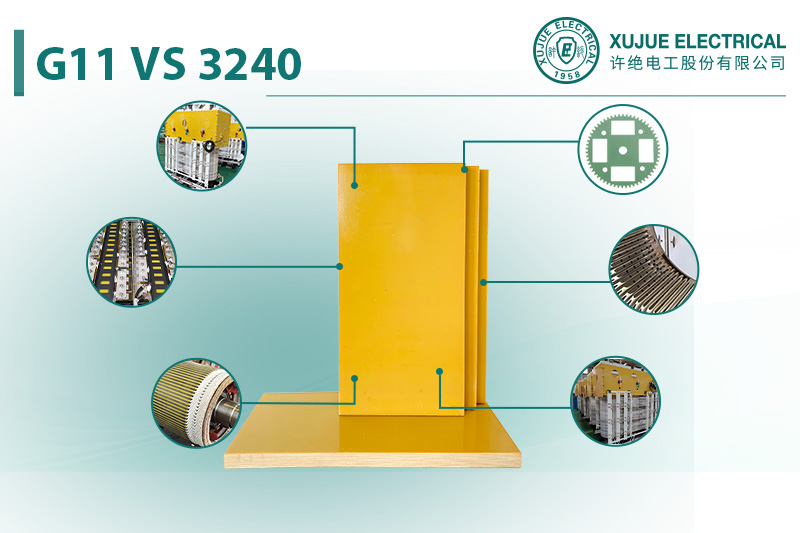
3240 Typical Applications:
• General electrical insulation parts
• Low to medium temperature motors
• Switchgear and control panels
• Structural insulation components with moderate heat exposure
►In short: High temperature + high reliability → G11 | Standard conditions + cost control → 3240
4. Selection Decision Tree (How to Choose the Right Material)
Use this quick decision guide when sourcing epoxy insulation boards:
Step 1: Define Operating Temperature
≥ 150°C → Choose G11
≤ 130°C → Consider 3240
Step 2: Evaluate Mechanical Stress
High load / vibration → G11 preferred
Normal structural use → 3240 sufficient
Step 3: Consider Environment
Humidity / thermal cycling → G11 performs better
Stable indoor conditions → 3240 is cost-effective
Step 4: Budget & Lifecycle
Long-term reliability priority → G11
Cost-sensitive projects → 3240
Final Thoughts
Both G11 epoxy sheet and 3240 epoxy sheet play important roles in the electrical insulation industry. The key is to match the material performance with your actual working conditions.
• G11 is the go-to choice for high-temperature, high-performance applications
• 3240 remains a reliable and economical option for standard insulation needs
By understanding these differences, you can reduce failure risks, improve equipment lifespan, and optimize your procurement decisions.